
NEWS & PRESS · ANSA
Italian AI for mine detection in Iraq
Xplora’s partnership with Al Waha Group applies advanced sensing, autonomous platforms and artificial intelligence to mine and unexploded-ordnance detection in Iraq.
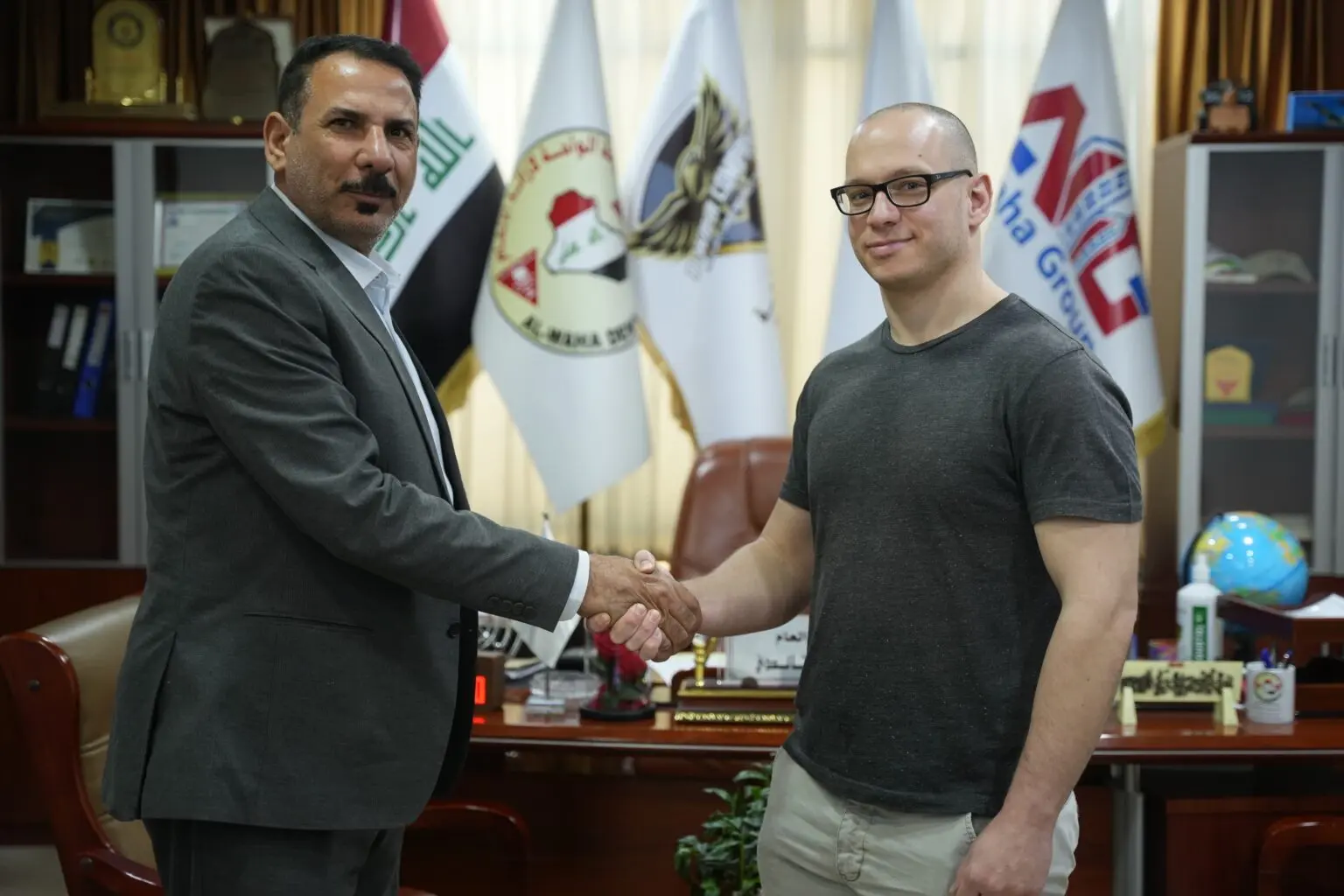
A collaboration for detection work in Iraq
On 10 February 2025, ANSA reported on the partnership between Xplora and Basra-based Al Waha Group, created to apply Italian subsurface-analysis technology in Iraqi areas affected by mines and unexploded ordnance. The coverage begins with a practical challenge: in territories shaped by successive conflicts, survey and clearance work requires time, specialist expertise and direct human exposure to potentially hazardous conditions.
The agreement combines Al Waha Group’s local experience with Xplora’s ability to integrate autonomous vehicles, sensors and software. As described by the source, the aim is to make safe surveying possible across large areas and to provide information before subsequent intervention begins. The technology does not replace clearance or specialist certification. It supports detection and classification, helping teams define the areas that require closer attention.
From sensor readings to an actionable map
The decisive step is turning measurements from different instruments into a coherent picture. Xplora’s DeepGeo.AI platform is designed to correlate geophysical and geospatial data, reducing the manual work needed to align separate sources and producing georeferenced outputs. In a UXO context, this continuity between acquisition and analysis can help organise follow-up surveys, document anomalies and prepare field activity.
ANSA also connects the availability of verified land with the possibility of returning areas to local communities and enabling economic activity, including infrastructure and energy development. That relationship is important: subsurface knowledge is not an abstract deliverable, but a prerequisite for deciding whether, where and how work can proceed.
Reducing exposure and improving decisions
The value of the collaboration lies in combining scale with safety. Moving part of data collection onto remote platforms can limit initial access to suspected areas; organising the results as maps allows specialists to focus verification where it is needed. For Xplora, the Iraq project takes expertise developed in UXO risk assessment into an international setting while keeping people responsible for confirmation and threat management at the centre of the process.